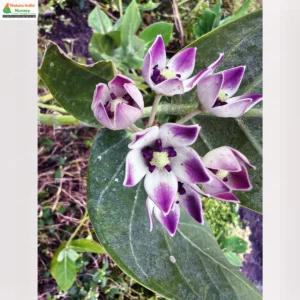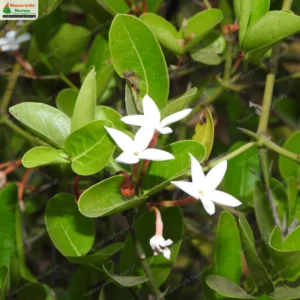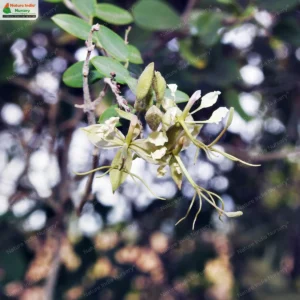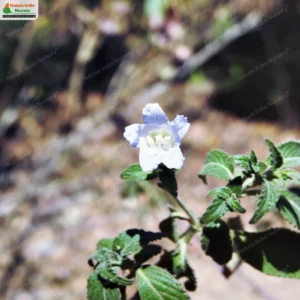
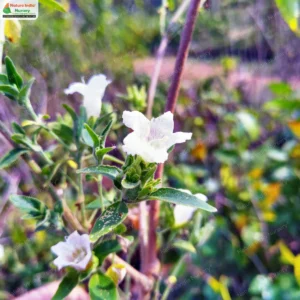
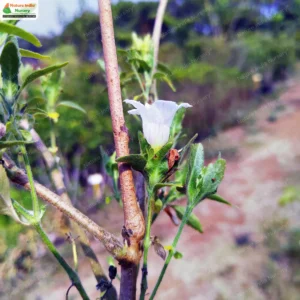
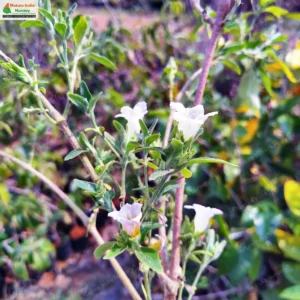


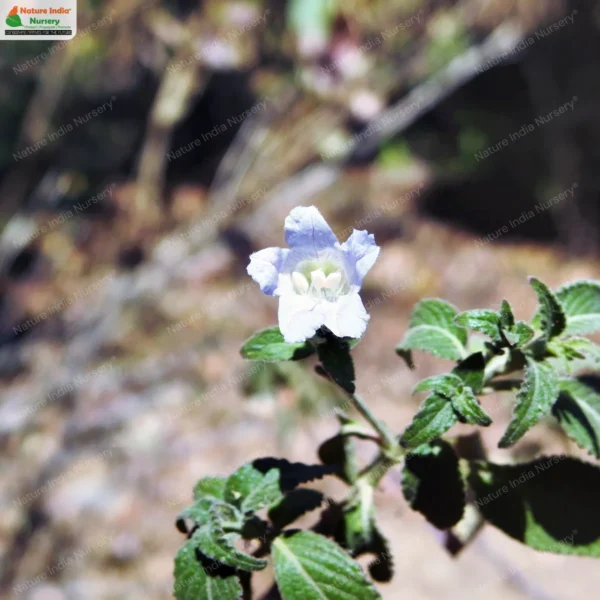


Strobilanthes ixiocephala is a species of flowering shrub belonging to the Acanthaceae family. Native to the Western Ghats of India, this plant is valued for its attractive foliage and beautiful violet to bluish-purple flowers. Like many members of the Strobilanthes genus, it contributes significantly to the biodiversity of forest ecosystems.
The species is an erect perennial shrub that typically grows 1–2 meters in height. It has opposite, lance-shaped to elliptic green leaves and produces dense terminal clusters of tubular bluish-purple flowers during its flowering season.
Habitat
Strobilanthes ixiocephala thrives in tropical and subtropical climates. It is commonly found in evergreen and semi-evergreen forests, forest edges, and moist hilly regions of the Western Ghats, preferring shaded to partially shaded habitats.
Planting and Care
Light: Prefers partial shade to filtered sunlight, although it can tolerate a few hours of direct morning sun.
Soil: Grows best in fertile, well-drained soil rich in organic matter with good moisture retention.
Watering: Requires regular watering to keep the soil consistently moist, especially during active growth. Avoid prolonged waterlogging.
Maintenance: Minimal maintenance is required. Remove dried stems after flowering and prune lightly to maintain shape. The plant can be propagated through seeds or stem cuttings.
Additional Information
Ornamental Use: Strobilanthes ixiocephala is suitable for woodland gardens, shaded landscapes, and native plant collections due to its attractive foliage and vibrant flowers.
Ecological Importance: The nectar-rich flowers attract bees, butterflies, and other pollinators, supporting biodiversity within forest ecosystems.
Conservation Significance: As a native species of the Western Ghats, Strobilanthes ixiocephala plays an important role in preserving the ecological richness of one of the world’s biodiversity hotspots.