Baccaurea courtallensis is an evergreen tree belonging to the family Phyllanthaceae. Native to peninsular India, it is particularly associated with the tropical forests of the Western Ghats. The species is valued for its distinctive trunk-borne flower clusters and edible, tangy fruits.
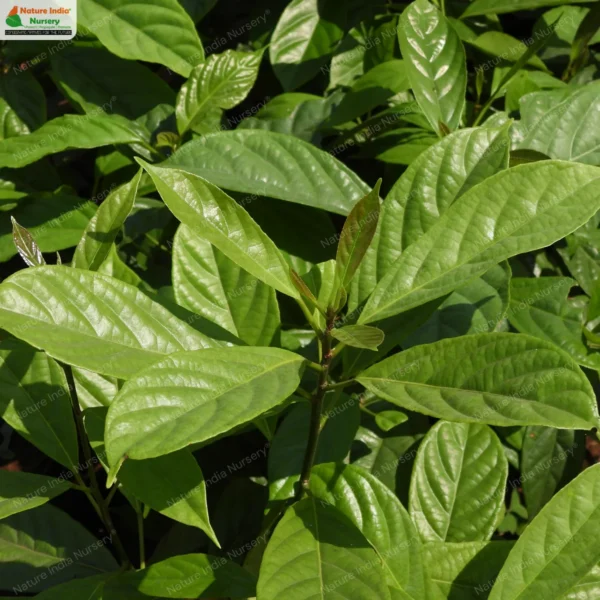
The tree generally grows about 5–15 metres tall, with a rough, greyish-yellow bark and an uneven trunk that may bear prominent tubercles. Young shoots are often covered with fine brownish hairs. The leaves are simple, alternate and frequently clustered near the ends of branches. They are broadly oblanceolate to elliptic, with entire margins and tapering or pointed tips.
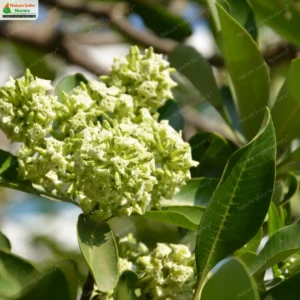
The flowers are unisexual and dark crimson, borne in slender, densely clustered racemes that emerge directly from the older stems and trunk. This unusual flowering habit is known as cauliflory. The fruit is a rounded to oval, thick-walled capsule, often with longitudinal ridges. It becomes pinkish-red or crimson when ripe and contains seeds surrounded by a fleshy covering. The fruit has a distinctly acidic flavour and is eaten locally.
Habitat
Baccaurea courtallensis grows mainly in tropical evergreen and semi-evergreen forests of the Western Ghats. It is also recorded in moist deciduous forest habitats. It occurs in the southern Western Ghats, extending through parts of Karnataka, Kerala and Tamil Nadu.
Planting and Care
- Light: Prefers partial shade to filtered sunlight, especially when young.
- Soil: Grows best in fertile, humus-rich, well-drained soil.
- Watering: Requires regular moisture, particularly during establishment. Avoid prolonged waterlogging.
- Climate: Suited to warm, humid tropical conditions.
- Maintenance: Maintain organic mulch around the root zone and protect young plants from prolonged dry periods.
- Propagation: Can be propagated through seeds collected from mature fruits.
Additional Information
- Edible Fruit: The fruits are acidic and edible, and are consumed locally in parts of southern India.
- Distinctive Flowering Habit: Its crimson flowers grow in dense clusters directly on the trunk and older branches, making the tree especially striking during flowering.
- Ecological Value: The fruits provide a food resource for forest wildlife, including fruit-eating mammals.
- Traditional Importance: The species is valued as a native wild fruit tree in the Western Ghats.
- Flowering and Fruiting: Flowering is commonly recorded from January to June, while fruiting periods vary across locations.