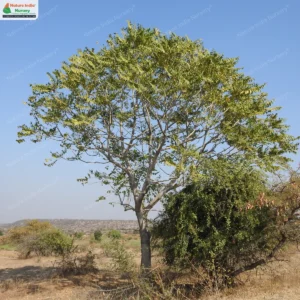

Pajanelia longifolia, commonly known as Pajanelia, is a deciduous tree belonging to the Bignoniaceae (Trumpet Tree) family. It is native to southern India and extends through parts of Myanmar, Sri Lanka, Thailand and western Malesia. The species is associated mainly with warm, wet tropical environments.
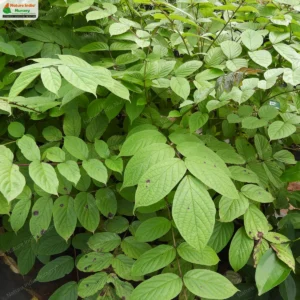
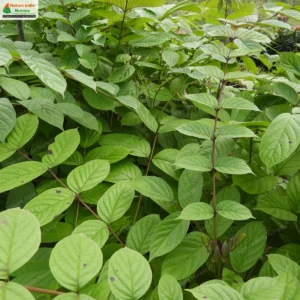
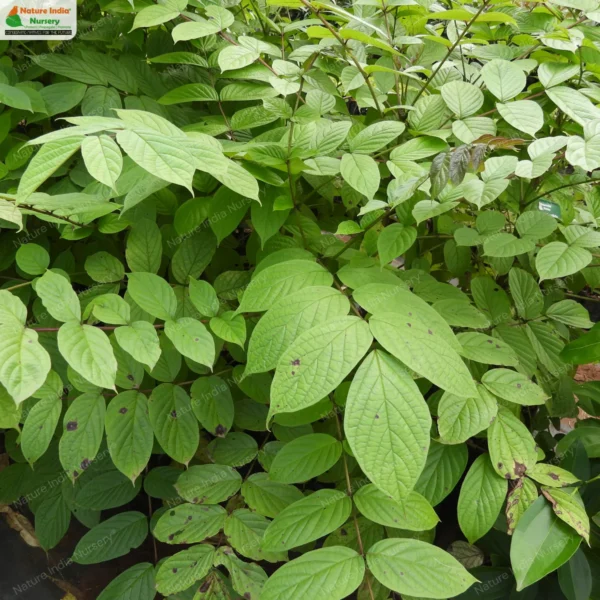
The tree develops a spreading crown with long, pinnately compound leaves and sheds its foliage during the dry season. Its large, showy white flowers are borne in terminal, branched, thyrsoid panicles. It is a relatively uncommon forest tree in parts of southern India and is also planted as a support tree for pepper cultivation.
Habitat
Pajanelia longifolia occurs in wet tropical forests, forest margins and humid landscapes of southern India. In Karnataka and Kerala it has been recorded from forested areas and plantation landscapes, particularly in the Western Ghats region.
Planting and Care
Light: Full sun to partial shade; good light encourages healthy growth and flowering.
Soil: Deep, fertile, organic-rich and well-drained soil with reasonable moisture retention.
Watering: Moderate to regular watering during establishment; provide additional water during prolonged dry periods.
Maintenance: Allow sufficient space for its spreading crown. Remove damaged or crossing branches when necessary and maintain adequate clearance around the trunk.
Additional Information
Ornamental Use: The tree can be grown as a specimen or avenue tree in tropical landscapes, particularly where its large terminal clusters of white flowers can be appreciated.
Ecological Importance: As a native forest tree, it contributes to the structure and biodiversity of humid tropical forest ecosystems.
Agricultural Importance: In southern Indian plantations, Pajanelia longifolia is traditionally planted as a support tree for black pepper vines, making it useful in mixed agroforestry systems.
Special Feature: Its combination of deciduous foliage and large white terminal flower panicles makes it distinctive among native Bignoniaceae trees.
Propagation: It can be propagated from seeds; young plants should be established in fertile, well-drained soil with adequate moisture.
Flowering and Fruiting: Flowering and fruiting are recorded mainly from January to June, with some regional records specifically indicating January–March.
Conservation: Kew currently lists the species as Least Concern (LC) according to the IUCN category, with its 2024 extinction-risk prediction also indicating that it is not threatened.