
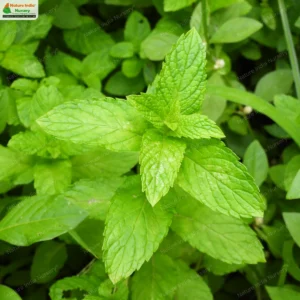
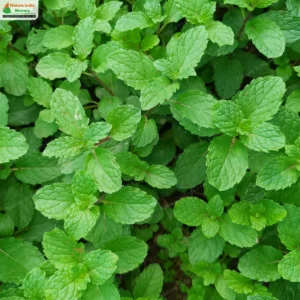
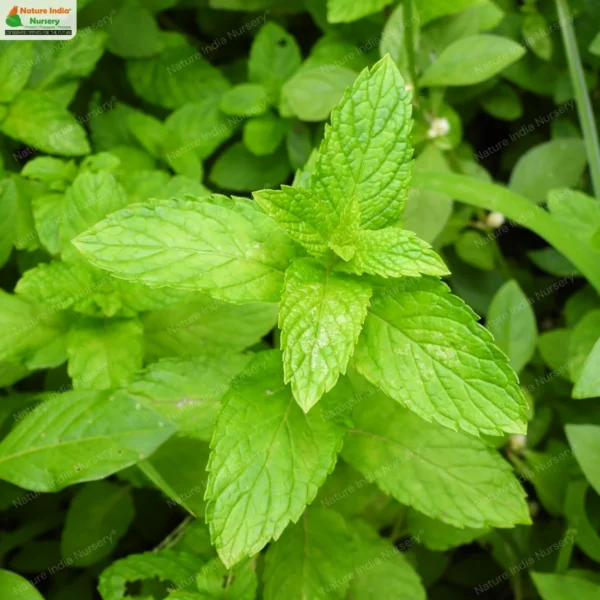

Mentha spicata, commonly known as Spearmint, is an aromatic perennial herb belonging to the Lamiaceae (mint) family. It is widely cultivated and naturalized across many parts of the world and is valued for its refreshing fragrance, culinary uses, and essential oil.
The plant generally grows about 30–100 cm tall, producing erect, branching, four-angled stems. Its leaves are opposite, lance-shaped to ovate-lanceolate, bright green and distinctly toothed, with a characteristic mint aroma. Small pink, lilac or whitish flowers are arranged in slender terminal spikes, giving the species its name.
Habitat
Mentha spicata is native to parts of Europe and temperate Asia and is now widely cultivated and naturalized in many regions. It commonly grows in moist soils, stream margins, irrigation channels, cultivated fields, gardens and disturbed ground. The species performs particularly well where soil moisture is available but drainage remains adequate.
Planting and Care
Light: Full sun to partial shade. Morning sunlight with some afternoon protection is beneficial in hot climates.
Soil: Fertile, organic-rich, moist and well-drained soil. It prefers soils that retain moisture without becoming permanently waterlogged.
Watering: Regular watering is recommended, especially during warm or dry weather. Do not allow the soil to dry out completely.
Maintenance: Spearmint spreads vigorously through underground stems and runners. Regular harvesting and trimming encourage fresh growth. Containers or defined planting beds can be used to prevent excessive spreading.
Additional Information
Culinary Use: The fresh or dried leaves are widely used in chutneys, beverages, teas, salads, sauces, desserts and flavouring preparations. It is one of the most commonly cultivated mint species for culinary purposes.
Medicinal Importance: Spearmint has a long history of use in traditional herbal practices, particularly as an aromatic herb and digestive beverage. Traditional use should not be interpreted as established clinical efficacy for a specific medical condition.
Aromatic Importance: The leaves contain essential oils, particularly carvone, which gives spearmint its characteristic sweet, fresh and less intensely cooling aroma compared with peppermint.
Ecological Importance: The small flowers provide nectar and pollen for bees and other insects, while the dense foliage can provide useful low ground cover in suitable gardens.
Propagation: It is most commonly propagated vegetatively through runners, stolons or stem cuttings. Division of established cl


