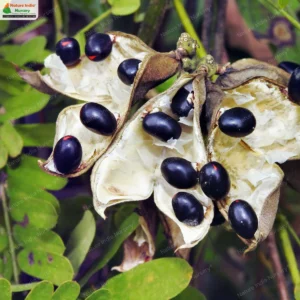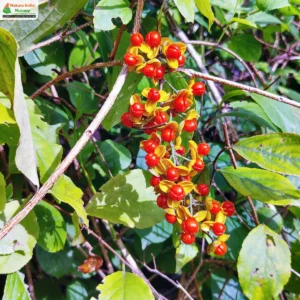




Jasminum arborescens, commonly known as Shrubby Jasmine or Navamallika, is a flowering shrub belonging to the Oleaceae (olive and jasmine) family. It is native to the Indian Subcontinent and extends into parts of Indo-China. The species is generally a scrambling or climbing shrub, although it may sometimes develop an erect form.
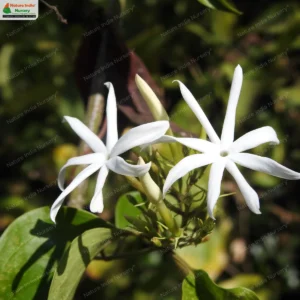
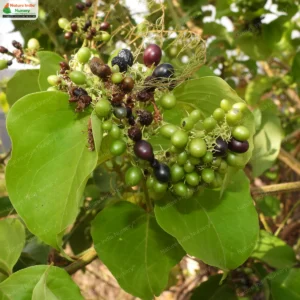
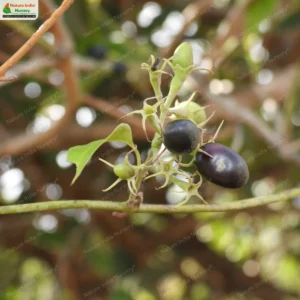
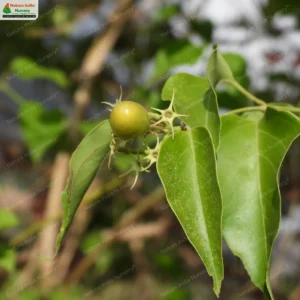
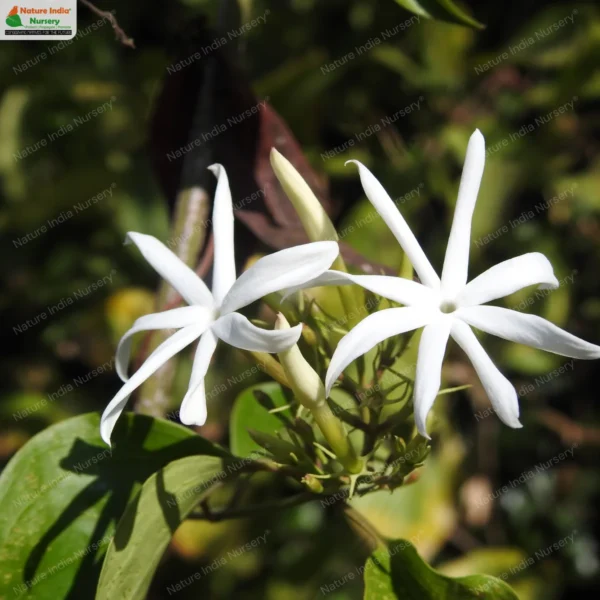
The plant has branching stems with opposite, simple, ovate to elliptic leaves. Its attractive white, fragrant flowers are borne in branched clusters, giving the plant considerable ornamental value. The flowers are followed by small fruits that mature after flowering.
Habitat
Jasminum arborescens occurs naturally in evergreen and tropical semi-evergreen forests, particularly in subtropical and warm forest environments. Its native distribution includes India, the East and West Himalayas, Nepal, Myanmar, Cambodia and the Andaman Islands.
Planting and Care
Light: Full sun to partial shade. Bright light generally promotes stronger growth and flowering.
Soil: Fertile, well-drained soil enriched with organic matter. Avoid prolonged waterlogging.
Watering: Moderate and regular watering during active growth. Allow the upper soil layer to dry slightly between waterings once established.
Maintenance: Prune after flowering to maintain a compact shape and encourage fresh branching. Provide sufficient space because the plant can develop a spreading or scrambling habit.
Additional Information
Ornamental Use: The fragrant white flowers and attractive foliage make it suitable for home gardens, shrub borders, courtyards, fragrance gardens and naturalistic landscapes.
Ecological Importance: As a native forest shrub, it contributes to the diversity of tropical and subtropical vegetation. Its fragrant flowers can attract insects and other flower visitors.
Fragrance: The white flowers are sweetly fragrant, making the plant particularly suitable for gardens where scented flowering plants are desired.
Cultural Significance: The plant is associated with several traditional Indian names, including Bara-kunda, Navamallika and Nagamallika. The name Navamallika is particularly associated with jasmine flowers in Indian botanical and cultural traditions.
Propagation: It can be propagated through seeds and vegetative methods such as stem cuttings. Healthy semi-mature cuttings can be rooted under warm, humid conditions.
Flowering and Fruiting: In Indian botanical records, flowering and fruiting are mainly reported from February to July, although the exact flowering period can vary with region and climate.
Taxonomic Note: Jasminum arborescens Roxb. is the currently accepted name. Several previously published names and varieties, including Jasminum arboreum, J. latifolium and J. montanum, are treated as synonyms of this species by Kew’s Plants of the World Online.