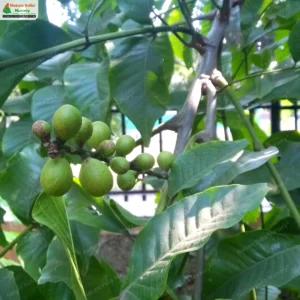


Duabanga grandiflora is a tall, fast-growing, deciduous tree belonging to the family Lythraceae. Native to the eastern Himalayas and tropical regions of South and Southeast Asia, it is commonly found along riverbanks, in valley forests and in moist subtropical habitats. It can reach approximately 30–40 metres in height and is admired for its broad crown and large, showy white flowers.
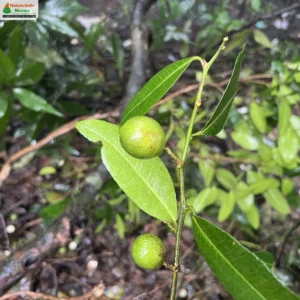
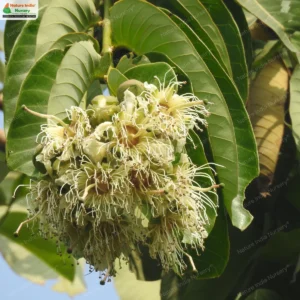
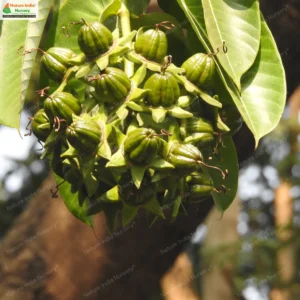
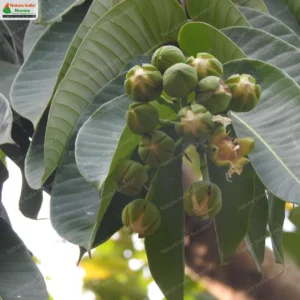
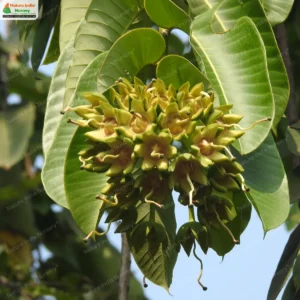
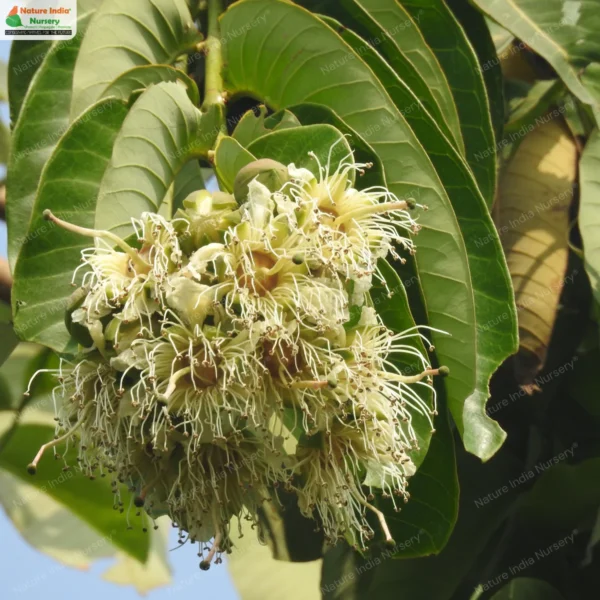
The tree has a straight trunk with rough, greyish-brown, fissured bark. Its leaves are simple, opposite and arranged in two distinct rows along the branches. They are large, oblong to ovate, glossy green above and paler beneath. Young leaves may appear reddish. The large white flowers grow in drooping clusters at the ends of branches and have numerous prominent stamens. They are often fragrant or unpleasant-smelling, particularly at night. The fruit is a rounded to ovoid, leathery capsule that turns brown as it matures and contains numerous small seeds.
Habitat
Duabanga grandiflora naturally occurs in moist subtropical and tropical forests, particularly in valleys, open forest areas and along riverbanks. It is found across northeastern India, the eastern Himalayas and neighbouring parts of Asia. It grows well in warm, humid environments with abundant rainfall and can occur at elevations of up to around 1,500 metres.
Planting and Care
Light: Prefers full sunlight for vigorous growth and healthy canopy development.
Soil: Grows best in deep, fertile, moist and well-drained soil, particularly in alluvial soils near rivers.
Watering: Requires regular watering during establishment. It performs best where soil moisture is consistently available.
Climate: Suited to warm, humid tropical and subtropical climates with good seasonal rainfall.
Maintenance: Being a fast-growing and potentially large tree, it needs plenty of space. Pruning may be required to remove damaged branches and maintain a strong structure.
Propagation: Commonly propagated through seeds. Seeds can be sown in nursery beds or containers using a well-drained growing medium. Young seedlings are generally planted during the rainy season.
Additional Information
- Timber Value: The wood is used for plywood, veneers, furniture components, boxes, crates, blockboard and other construction purposes.
- Traditional Uses: The fruits and leaves have been used traditionally for various purposes in parts of its native range. Such uses should not be taken as evidence of proven medical effectiveness.
- Ecological Importance: Its flowers attract insects, while the tree contributes to the structure and biodiversity of moist forest ecosystems.
- Ornamental Value: Its large foliage, impressive height and showy white flowers make it suitable for spacious parks, institutional landscapes and large gardens.
- Flowering and Fruiting: Indian botanical records report flowering and fruiting mainly from December to July, although the period varies by region.