




Calamus rotang is a climbing palm belonging to the Arecaceae (palm) family. Native to southern India and Sri Lanka, it is valued for its long, slender, flexible, and durable canes. Unlike bamboo, which belongs to the grass family, rattan is a true palm that climbs through surrounding vegetation using specialised leaf structures and spines.
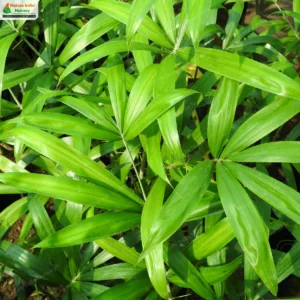
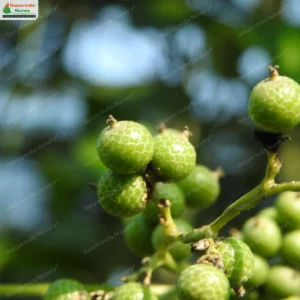
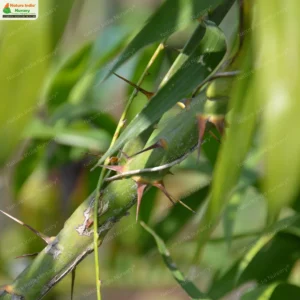
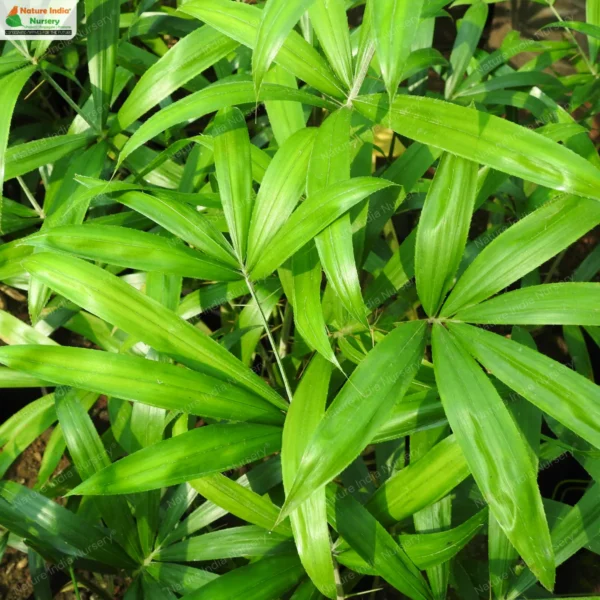
The plant develops long, tough stems that may climb high into the forest canopy. Its pinnate leaves are elongated and armed with sharp spines, while the leaf sheaths and climbing structures help it scramble through trees and shrubs. The fruits are rounded to pear-shaped and covered with overlapping scales that turn reddish-brown as they mature.
Habitat
Common Rattan grows in tropical forests and moist lowland habitats, including areas near rivers and streams. It is found in parts of southern India and Sri Lanka and may occur in forest margins, scrubby woodland, and other suitable habitats. It generally favours warm, humid conditions and support from surrounding vegetation.
Planting and Care
- Light: Partial shade or filtered sunlight is suitable, particularly during early growth.
- Soil: Prefers fertile, humus-rich, well-drained soil.
- Watering: Maintain consistent moisture, especially while the plant is establishing; avoid prolonged waterlogging.
- Maintenance: Provide strong climbing support and handle carefully because the stems and leaf sheaths may have sharp spines.
- Propagation: Commonly raised from seeds; fresh, viable seeds and warm, humid conditions improve establishment.
Additional Information
Traditional and Commercial Uses: Rattan canes are used in furniture, baskets, chair weaving, walking sticks, mats, and other handicrafts. Their flexibility and strength make them valuable for weaving and binding.
Ecological Importance: As a climbing palm, it contributes to the structure of tropical vegetation and provides habitat and resources for forest wildlife. Its growth depends on suitable forest conditions and supporting vegetation.
Special Feature: Its long, flexible canes combine strength with pliability, making Common Rattan an important natural material for traditional craftsmanship.
Fruit: Botanical sources report mature fruits as edible; identification and preparation should be confirmed locally before consumption.
Botanical Note: The accepted scientific name is Calamus rotang L. It belongs to the palm family, Arecaceae, and is a climbing cane rather than a bamboo.