

Beilschmiedia dalzellii is an evergreen tree belonging to the laurel family, Lauraceae. It is native to India and is particularly associated with the Western Ghats. Known as Konkan Walnut, this forest tree is valued for its ecological importance and distinctive leathery foliage.
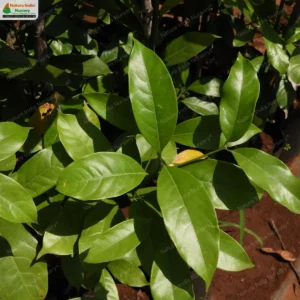
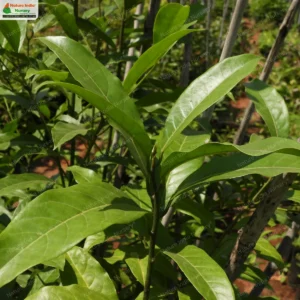
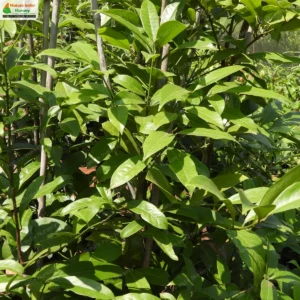
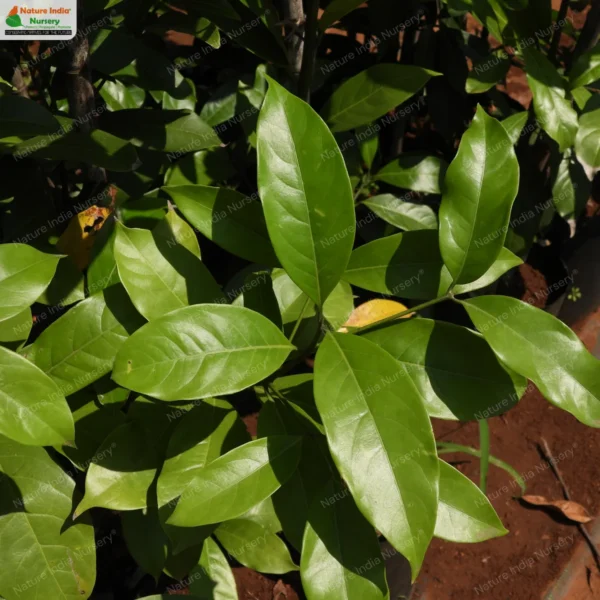
The tree can grow to approximately 15–30 metres tall, developing a straight trunk and a spreading crown. Older trees may develop buttressed bases. The bark is generally grey, and the inner bark or freshly exposed surface may appear orange. The leaves are simple, alternate or occasionally subopposite, and clustered towards the ends of branches. They are leathery, elliptic to ovate-lanceolate, with smooth margins, pointed tips and a glossy upper surface.
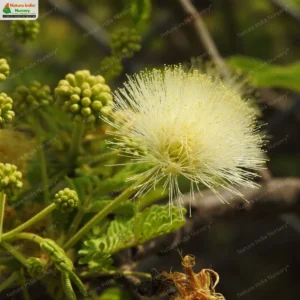
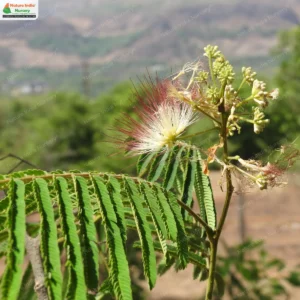
The flowers are small, greenish-brown to yellowish, and arranged in short clusters or panicles in the leaf axils. The fruit is a smooth, fleshy, ovoid to ellipsoid berry, becoming dark brown when dry. The fruits are reported to be eaten by forest wildlife.
Habitat
Beilschmiedia dalzellii occurs in tropical evergreen and semi-evergreen forests, particularly in the Western Ghats. It is recorded from forested areas of Maharashtra and Karnataka, including the Konkan region and the northern Western Ghats. It is generally associated with moist forest habitats and sheltered valleys.
Planting and Care
- Light: Prefers partial shade to filtered sunlight, especially during the early stages of growth.
- Soil: Grows best in deep, fertile, well-drained soil rich in organic matter.
- Watering: Requires consistent moisture during establishment; avoid prolonged drying of the soil.
- Climate: Suited to warm, humid tropical conditions.
- Maintenance: Maintain organic mulch and provide sufficient space for the tree to develop its mature canopy.
- Propagation: Can be propagated through seeds collected from mature fruits. Fresh seeds are preferable for propagation.
Additional Information
- Forest Tree: It is a characteristic native tree of the Western Ghats’ evergreen and semi-evergreen forest ecosystems.
- Wildlife Value: Its fruits provide food for forest animals, including the giant squirrel.
- Identification: The combination of grey bark, leathery glossy leaves, small axillary flower clusters and ellipsoid fruits helps distinguish this species.
- Flowering and Fruiting: The period varies across its distribution. Regional records from Karnataka indicate August to May, while Maharashtra records report different seasonal ranges.