

Aporosa cardiosperma (Gaertn.) Merr. is an evergreen tree belonging to the family Phyllanthaceae. Native to western and southern India and Sri Lanka, it is commonly found in the tropical forests of the Western Ghats. It is valued as a native forest tree for its dense foliage, useful timber and edible fruits.
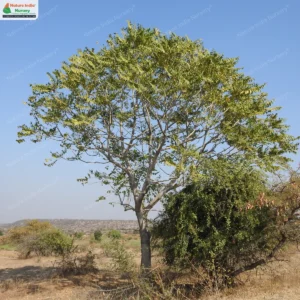
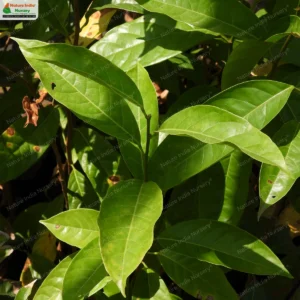
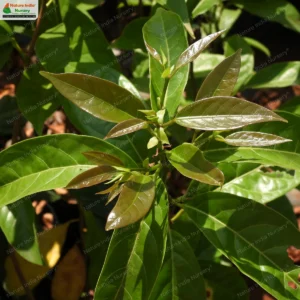
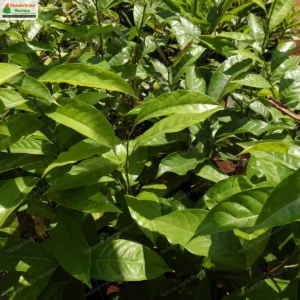
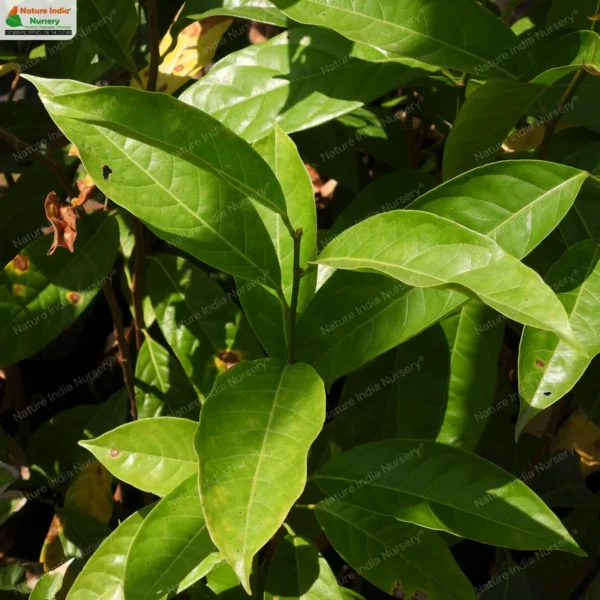
The tree generally grows 4–20 metres tall, developing a rounded or spreading crown. Its bark is greyish-brown, sometimes shallowly fissured, with a pale pink inner surface when cut. The leaves are simple, alternate and arranged in two rows along the branches. They are elliptic-oblong to broadly ovate-oblong, with entire margins, leathery texture and pointed tips.
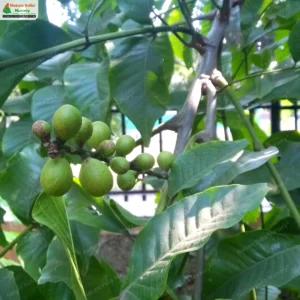
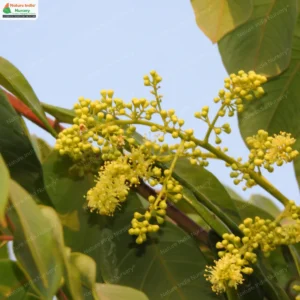
The species is dioecious, meaning male and female flowers generally occur on separate trees. The small male flowers are yellowish and arranged in short, slender axillary spikes, while the female flowers are pale green and occur in compact clusters. The fruits are small, rounded capsules that turn yellowish as they mature and split open to expose a seed surrounded by an orange-yellow aril.
Habitat
Lindley’s Aporosa grows in tropical evergreen and semi-evergreen forests, moist deciduous woodland and forest margins. It is native to western and southern India, including the Western Ghats, and Sri Lanka. It is also found in lowland forest areas and along forested slopes.
Planting and Care
- Light: Prefers full sunlight to partial shade; young plants benefit from filtered light.
- Soil: Grows well in fertile, humus-rich, well-drained soil.
- Watering: Maintain moderate soil moisture, especially during establishment. Avoid prolonged waterlogging.
- Climate: Suitable for warm, humid tropical conditions.
- Maintenance: Allow sufficient space for its development as a medium-sized evergreen tree. Prune only damaged or unwanted branches.
- Propagation: Propagation through mature seeds is suitable. Fresh seeds are preferable for better germination.
Additional Information
- Fruit: The fruits are reported to be edible and are used locally as a wild food.
- Timber: The wood is traditionally used in house construction, particularly for rafters and other general-purpose applications.
- Traditional uses: Roots and other plant parts have been used in regional traditional practices. Such uses should not be considered established medical treatments.
- Ecological importance: As a native forest tree, it contributes to the structure and biodiversity of evergreen and semi-evergreen forests.
- Flowering and fruiting: Flowering and fruiting are reported mainly from December to June in some parts of peninsular India, although the period varies by locality.
- Identification: The alternate, leathery leaves, small axillary flower spikes and rounded capsules with orange-yellow arils are useful identifying features.