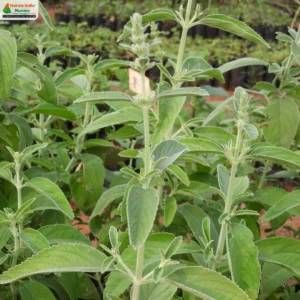


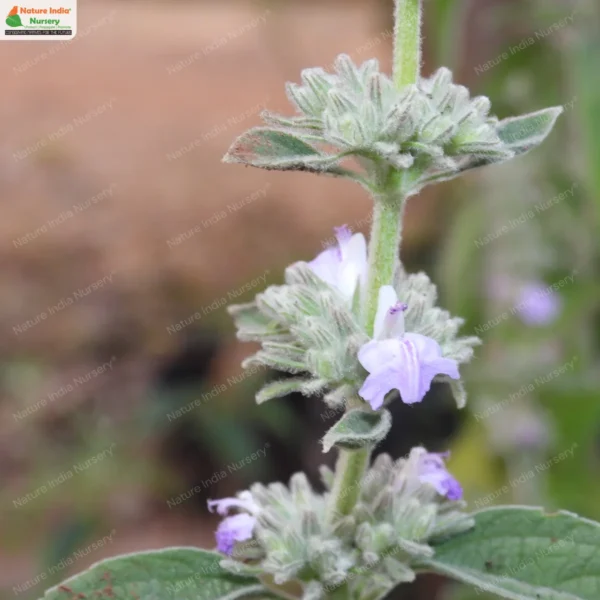


Anisomeles malabarica, commonly known as Malabar Catmint, is a perennial aromatic herb belonging to the Lamiaceae (mint) family. It is native to the Indian subcontinent and is particularly associated with dry and rocky habitats in peninsular India.
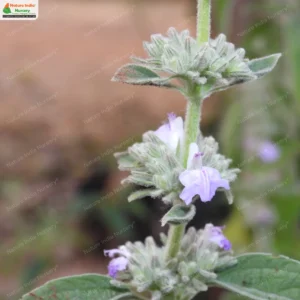
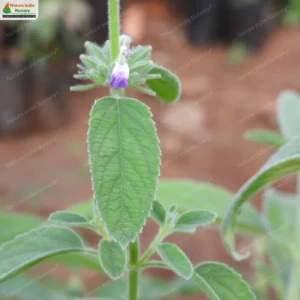
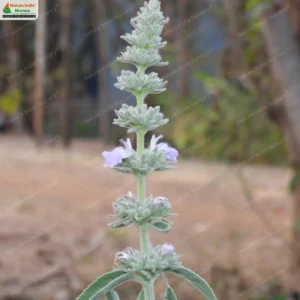
The plant is an erect, much-branched herb or undershrub, typically growing about 1–2 m tall. It has opposite, ovate to lance-shaped leaves covered with fine hairs and produces dense terminal spikes of small purplish to mauve flowers. The aromatic foliage and prominent flowering spikes give the plant an attractive appearance.
Habitat
Anisomeles malabarica occurs in dry deciduous forests, scrublands, grasslands, rocky slopes and open wastelands. It is well adapted to warm tropical conditions and is commonly associated with well-drained soils and areas receiving good sunlight.
Planting and Care
Light: Prefers full sun to light partial shade. Good sunlight encourages vigorous growth and flowering.
Soil: Grows well in well-drained, moderately fertile soils, including sandy, loamy and rocky soils. Avoid heavy, persistently waterlogged ground.
Watering: Requires moderate watering during establishment. Once established, it is relatively tolerant of dry conditions and should not be overwatered.
Maintenance: Generally low-maintenance. Light pruning after flowering can encourage branching and maintain a compact shape. Remove dry stems periodically to keep the plant tidy.
Additional Information
Ornamental Use: The attractive mauve-purple flower spikes and aromatic foliage make it suitable for naturalistic gardens, herb gardens, butterfly gardens and dryland landscapes.
Ecological Importance: Its flowers provide nectar and floral resources for bees, butterflies and other pollinating insects, making it useful in pollinator-friendly landscapes.
Medicinal Importance: Anisomeles malabarica has a long history in traditional Indian medicine, where different parts of the plant have been used in traditional preparations. Its medicinal use should be distinguished from scientifically established clinical efficacy.
Fragrance: The foliage is aromatic when crushed, reflecting the characteristic essential-oil-rich nature of many members of the mint family.
Special Feature: The combination of aromatic leaves, hairy stems and conspicuous terminal flower spikes makes Malabar Catmint particularly recognizable among Indian Lamiaceae.