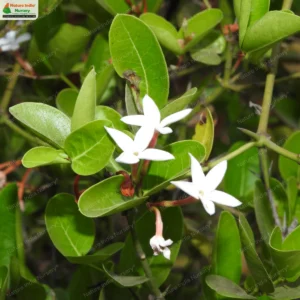


Memecylon sessile, belonging to the Melastomataceae family, is a shrub or small tree native to southwestern India and Sri Lanka. It is associated with wet tropical environments, particularly the evergreen forests of the Western Ghats. The species is of interest in native-plant collections because of its regional distribution and its characteristic foliage and flowers.
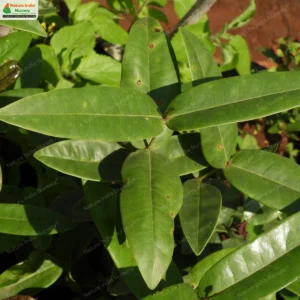
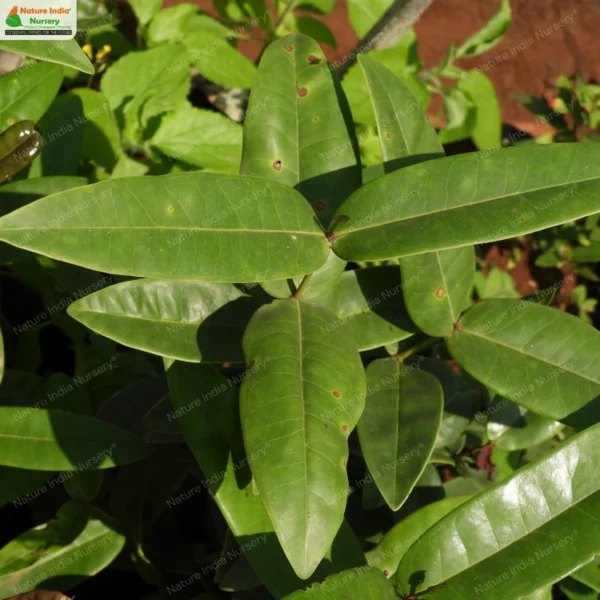
The plant grows as a woody shrub or small tree, with opposite, simple leaves that are often leathery and have smooth margins. Like other members of the genus Memecylon, it bears small flowers in clusters arising from the leaf axils or older branches. The flowers are typically bluish, and the fruits develop into small, fleshy berries that darken as they mature. Detailed measurements and descriptions specific to this species may vary among regional botanical treatments.
Habitat
Memecylon sessile is native to southwestern India and Sri Lanka, where it is associated with wet tropical forest habitats. In the southern Western Ghats, related taxonomic records describe evergreen-forest shrubs flowering and fruiting mainly from March to May.
Planting and Care
Light: Bright filtered light or partial shade is a suitable starting point, especially in warm gardens that can provide conditions similar to its forest habitat.
Soil: Use humus-rich, well-drained soil with good organic content.
Watering: Maintain moderate, consistent moisture, particularly while the plant is establishing. Avoid allowing the root zone to dry out for prolonged periods.
Maintenance: Protect young plants from harsh afternoon sun and dry winds. Remove damaged branches as needed and avoid excessive pruning.
Planting Location: Best suited to native-plant gardens, shaded tropical landscapes, and botanical collections that can provide warm conditions and reliable moisture.
Additional Information
Ornamental Use: Its evergreen foliage and small flowers make it a candidate for tropical native gardens and botanical collections.
Ecological Importance: As a native forest shrub or small tree, it contributes to the structure and diversity of its natural habitat. Its fleshy fruits may provide food for fruit-eating wildlife.
Special Feature: The genus Memecylon is recognized by its opposite, often leathery leaves, small four-parted flowers, and fleshy berries that commonly become purple to black when ripe.
Propagation: Seed propagation is a possible method; fresh seed and suitable nursery conditions are generally preferable for tropical woody plants. Species-specific propagation guidance is limited in the references consulted.
Flowering and Fruiting: Regional records for the taxon and its associated synonym report flowering and fruiting around March–May in Kerala, though timing can vary with local conditions.