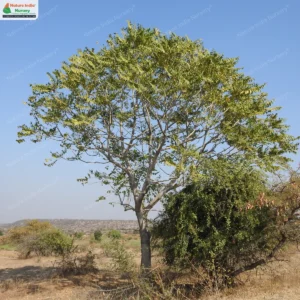
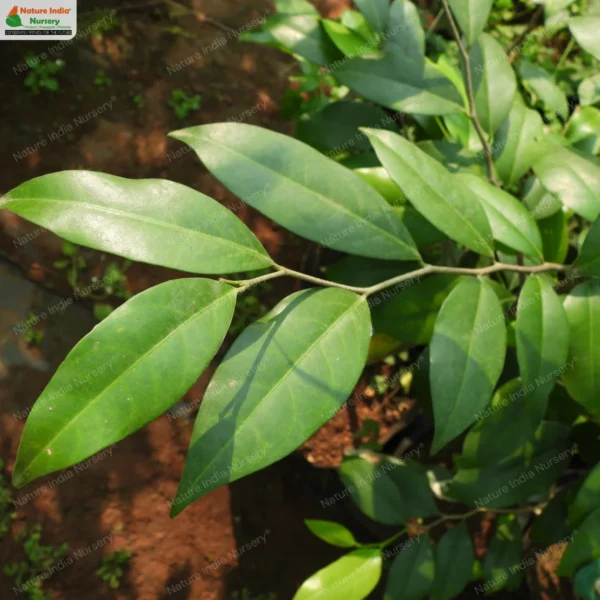

Drypetes venusta is a medium-sized, deciduous to semi-evergreen tree belonging to the family Putranjivaceae. It is endemic to the Western Ghats of India and is commonly found in tropical evergreen and semi-evergreen forests. The tree can grow up to approximately 30 metres tall and is recognised by its characteristically fluted trunk, pale greyish-white bark and drooping branches.
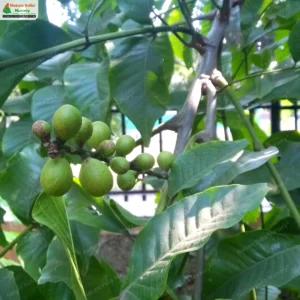
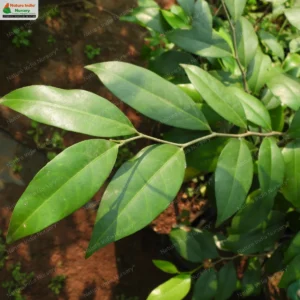
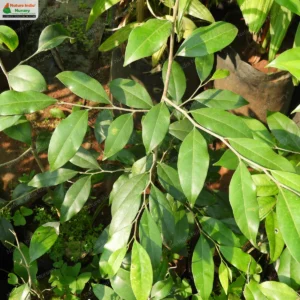
Its leaves are simple, alternate, leathery and elliptic to elliptic-oblong, with smooth margins and prominent lateral veins. Small greenish-yellow unisexual flowers develop in the leaf axils. The species is generally dioecious, with male and female flowers occurring on separate trees. Its fruits are fleshy, obovoid drupes, usually greenish-yellow when mature, containing a single seed surrounded by pulpy tissue.
Habitat
Drypetes venusta occurs in tropical evergreen and semi-evergreen forests of the Western Ghats, particularly in Maharashtra, Karnataka, Kerala and Tamil Nadu. It is commonly recorded in low- and mid-elevation forests, generally between 550 and 1,500 metres above sea level. It prefers warm, humid environments with good rainfall.
Planting and Care
Light: Grows well in partial shade or filtered sunlight, particularly during its early growth stages.
Soil: Prefers fertile, well-drained soil enriched with organic matter.
Watering: Requires regular watering during establishment. Maintain moderate soil moisture without prolonged waterlogging.
Climate: Suited to warm, humid tropical climates.
Maintenance: Protect young plants from prolonged dry conditions. Allow sufficient space for the tree to develop its natural canopy.
Propagation: Propagated through seeds. Fresh, mature seeds are preferable for nursery cultivation.
Additional Information
- Ecological Importance: As a native Western Ghats forest tree, it contributes to the structure and biodiversity of evergreen and semi-evergreen forest ecosystems.
- Fruit: The fleshy fruits are reported to have edible pulp and may serve as a food resource for forest wildlife.
- Timber Value: The species is recorded as a source of useful timber.
- Flowering and Fruiting: India Flora Online records January–May, while other regional botanical observations report a broader November–July period.
- Endemism: Its natural distribution is restricted to India, particularly the southwestern Western Ghats, making it an important component of the region’s native tree diversity.