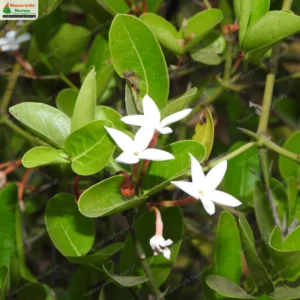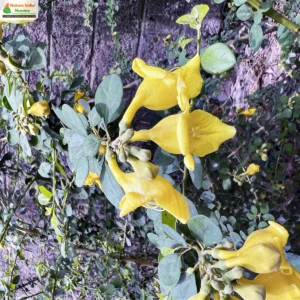
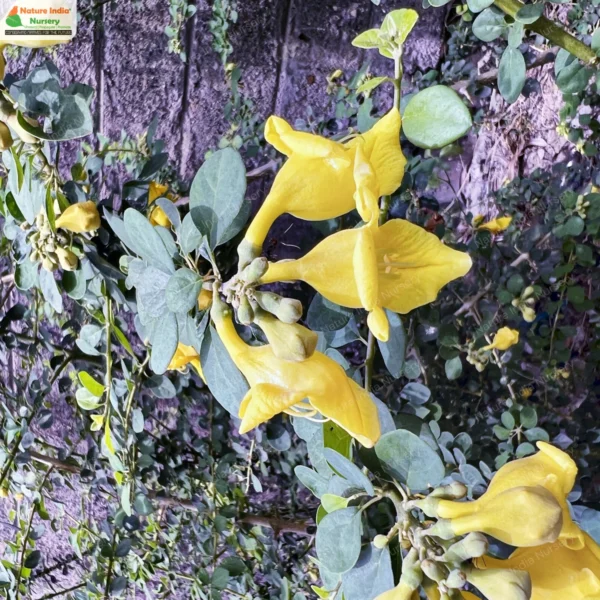


Gmelina asiatica, commonly known as Asiatic Beechwood or Shrub Gmelina, is a species of thorny flowering shrub belonging to the Lamiaceae family. Native to the Indian subcontinent and Southeast Asia, this plant is valued for its ornamental yellow flowers, medicinal importance, and ability to thrive in dry environments.
The species is a woody, thorny shrub that typically grows 1–3 meters in height. It has opposite, ovate green leaves, spiny branches, and produces bright yellow, tubular flowers followed by fleshy, green to yellow fruits that turn black when ripe.
Habitat
Gmelina asiatica thrives in tropical and subtropical climates. It is commonly found in dry deciduous forests, scrublands, grasslands, hedgerows, and open wastelands, preferring well-drained soils and sunny locations.
Planting and Care
Light: Prefers full sun and grows best in open, bright locations.
Soil: Thrives in well-drained sandy, loamy, or rocky soils and tolerates poor soil conditions.
Watering: Requires moderate watering during establishment. Once established, it is highly drought tolerant and requires minimal irrigation.
Maintenance: Requires little maintenance. Occasional pruning helps maintain shape and encourages new growth. Propagation is commonly done through seeds or stem cuttings.
Additional Information
Ornamental Use: Gmelina asiatica is grown as an ornamental hedge or barrier plant due to its dense, thorny branches and attractive yellow flowers.
Medicinal Importance: Various parts of the plant are used in traditional Ayurvedic medicine for their potential therapeutic properties. Medicinal use should always be based on professional healthcare guidance.
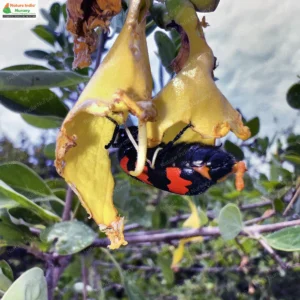
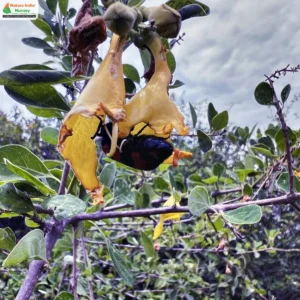
Ecological Importance: The flowers attract bees and butterflies, while the fruits provide food for birds and other wildlife, making the plant beneficial for supporting local biodiversity.