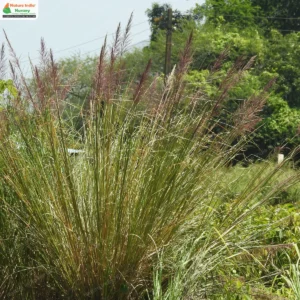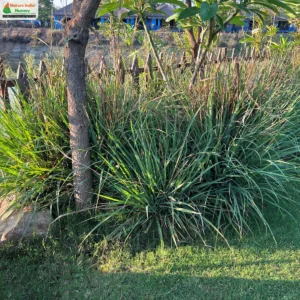
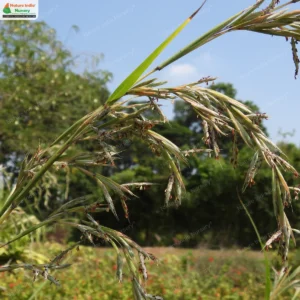
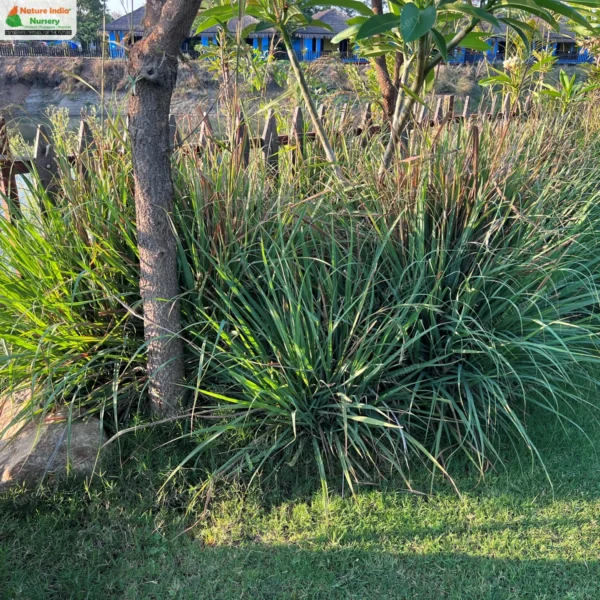


Cymbopogon citratus is an aromatic, clump-forming perennial grass belonging to the Poaceae (grass family). It is widely cultivated for its fresh lemon-scented leaves and essential oil, which are used in cooking, herbal teas, perfumery, and traditional plant-based preparations.
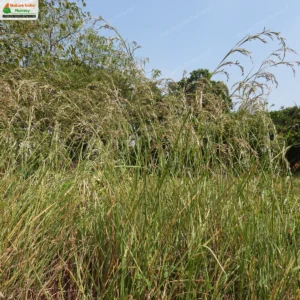
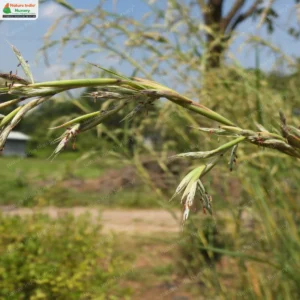
The plant typically grows about 1–2 metres tall, forming dense clumps of long, narrow, arching leaves. The leaves are green, sharply pointed, and strongly lemon-scented when crushed. Its stems are short and clustered near the base, while flowering is relatively uncommon in cultivation.
Habitat
Lemon Grass is associated with tropical climates and is cultivated widely across warm regions. Kew records its native range as southern India and Sri Lanka. It grows well in open grasslands, garden beds, field margins, and other sunny locations with adequate moisture and drainage.
Planting and Care
- Light: Full sun is best for vigorous growth and aromatic foliage.
- Soil: Prefers fertile, well-drained loamy soil enriched with organic matter.
- Watering: Water regularly during establishment and dry weather. Keep the soil moderately moist without allowing waterlogging.
- Maintenance: Trim dry leaves and divide crowded clumps periodically to encourage fresh growth.
- Propagation: Most commonly propagated by dividing established clumps or planting rooted basal shoots.
Additional Information
Culinary Uses: The aromatic lower leaf bases and tender stems are used to flavour soups, curries, sauces, marinades, and herbal teas.
Essential Oil: The leaves yield lemon-scented essential oil used in fragrances, soaps, cosmetics, and other aromatic products. The oil may irritate sensitive skin or cause contact dermatitis, so concentrated oil should be handled carefully.
Traditional Significance: Lemon Grass has a long history of use in traditional herbal preparations. Such uses should not be taken as proof of clinical effectiveness.
Environmental Benefits: Its dense clumps can help protect soil from erosion, and the cut foliage can be used as mulch.
Special Feature: The strong citrus-like aroma released when the leaves are crushed makes this grass easy to recognise and valuable in aromatic gardens.